
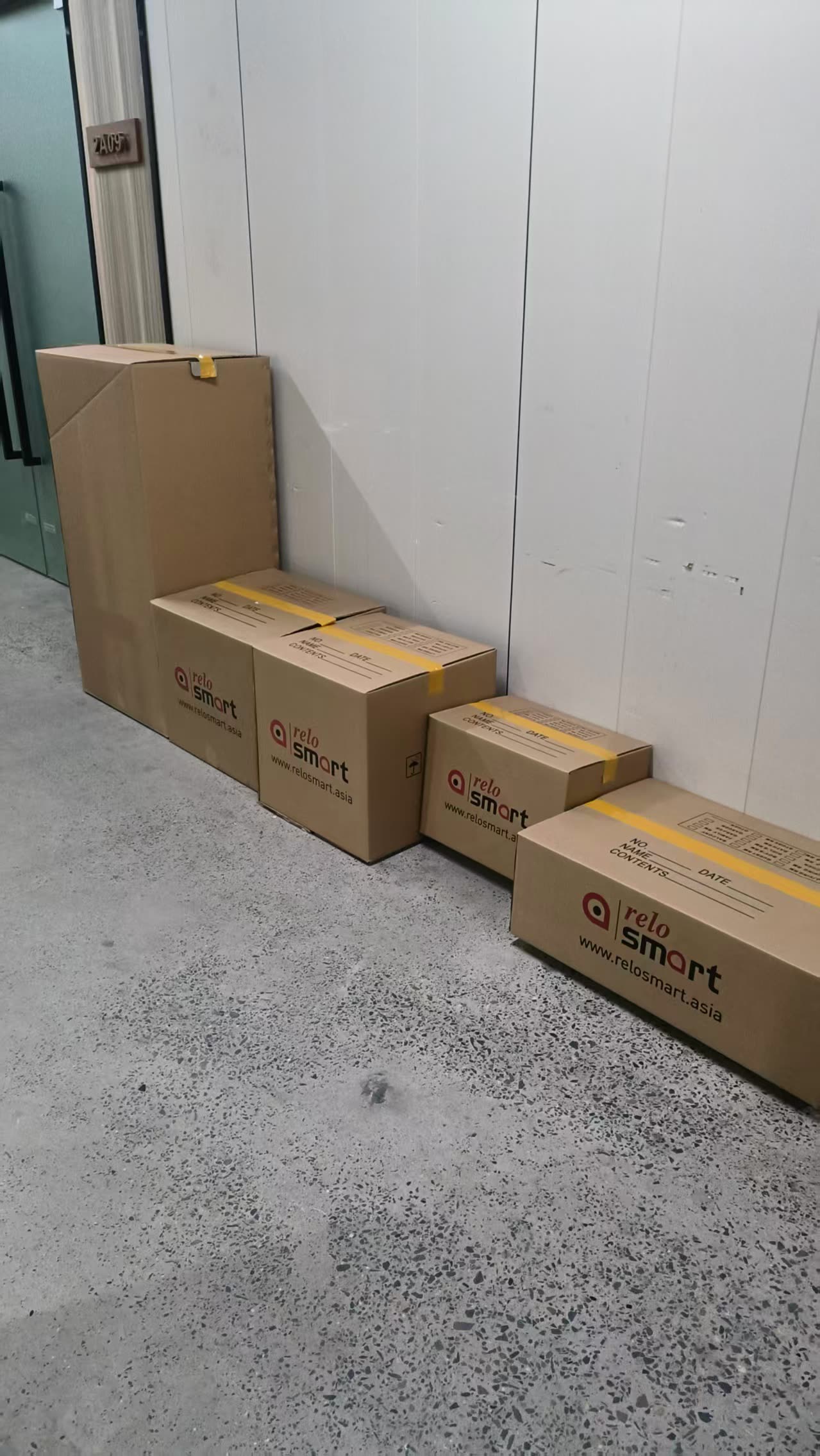
Carton
International moving quotes are typically based first on volume (CBM), then factor in shipping method, destination, packing complexity, customs clearance and delivery, insurance, and storage. Ocean freight is not the same as the door-to-door total cost.
CBM means cubic meter and is usually estimated based on the external volume after items are packed. Actual quotes also depend on service conditions at origin and destination.
| CBM Volume | How to Understand | What It Affects |
|---|---|---|
| CBM Volume | Packaged items take up space; furniture and books have a noticeable impact | Shared container, full container, and shipping budget |
| Shipping Method | Shared container, full container or air freight | Transit time, unit pricing, and service arrangements |
| Origin services | On-site, packing, disassembly/assembly, loading, and warehousing | Local labor and material costs |
| Destination services | Customs clearance, delivery, floor level, elevator, parking, unpacking | Final door-to-door cost |
| Additional Items | Insurance, storage, special packaging, secondary delivery | Budget Flexibility and Risk Control |
Small quantities of clothing and books, large furniture, full household moves, and urgent air shipments should each be assessed separately.
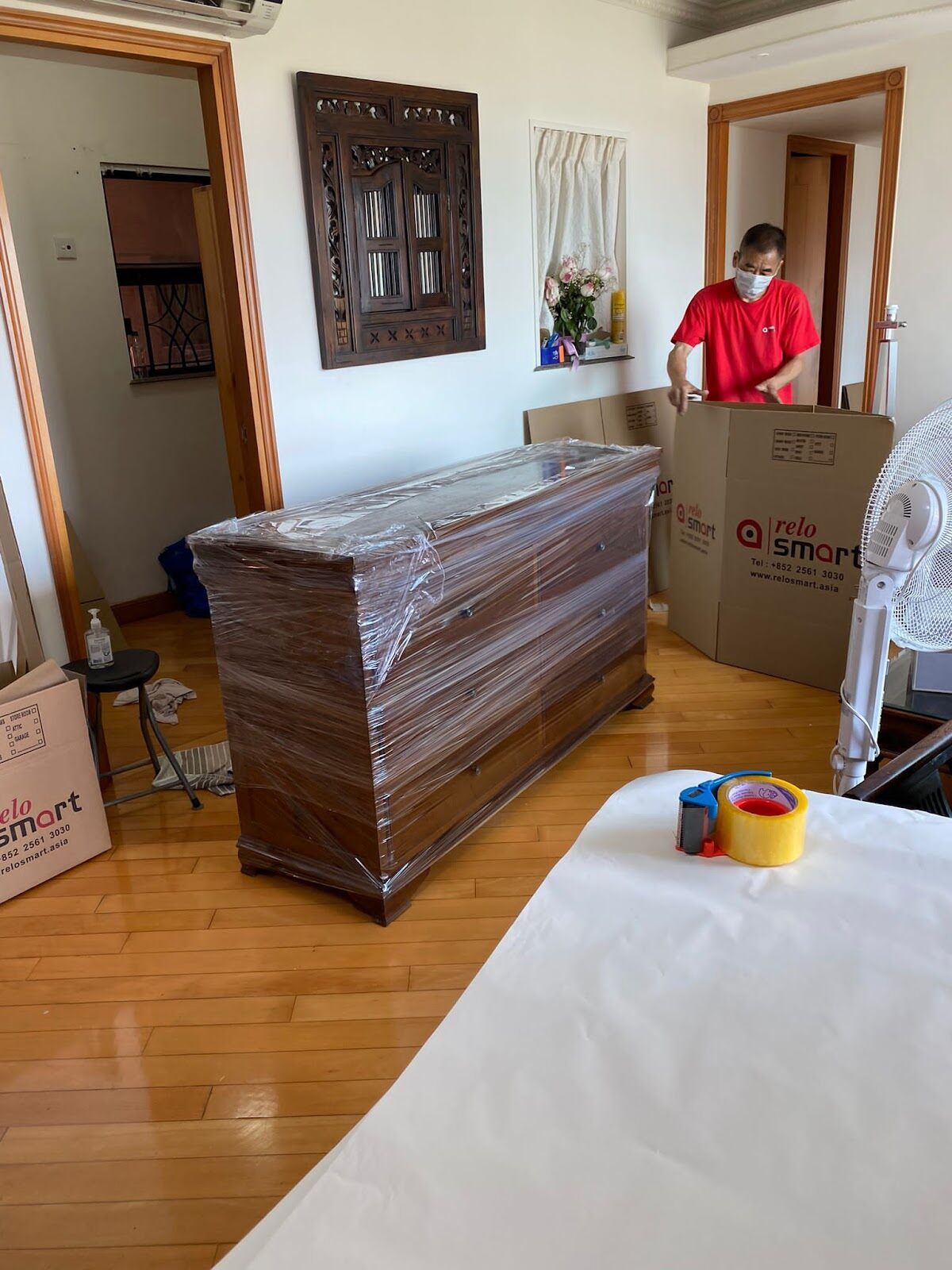

Door-to-door total cost = origin survey & packing + domestic pickup & warehousing + international shipping + destination customs clearance + local delivery + insurance/storage/unpacking and other additional services.
Shanghai to London involved furniture assembly, Shanghai to Melbourne involved artwork packing, and Nanjing to Munich involved unpacking at the destination in Germany. These examples show that cost cannot be judged by the shipping leg alone.
CBM means cubic meter. It represents the space your packed items occupy and is an important basis for sea freight estimates.
For small to medium volumes, shared container (LCL) is usually more suitable. For large volumes, stable timeline requirements, or to minimize transshipment, a full container (FCL) may be more practical.
Because door-to-door also includes packing, customs clearance, destination delivery, floor access, insurance, and storage costs.
Reduce low-value bulky furniture, organize your item list in advance, and clarify whether you need unpacking, storage, and insurance.
Provide room layout, furniture photos, and carton count — we will help you determine the shipping method and cost breakdown.
International moving quotes are typically based first on volume (CBM), then factor in shipping method, destination, packing complexity, customs clearance and delivery, insurance, and storage. Ocean freight is not the same as the door-to-door total cost.
CBM means cubic meter and is usually estimated based on the external volume after items are packed. Actual quotes also depend on service conditions at origin and destination.
Small quantities of clothing and books, large furniture, full household moves, and urgent air shipments should each be assessed separately.
Door-to-door total cost = origin survey & packing + domestic pickup & warehousing + international shipping + destination customs clearance + local delivery + insurance/storage/unpacking and other additional services.
Shanghai to London involved furniture assembly, Shanghai to Melbourne involved artwork packing, and Nanjing to Munich involved unpacking at the destination in Germany. These examples show that cost cannot be judged by the shipping leg alone.
CBM means cubic meter. It represents the space your packed items occupy and is an important basis for sea freight estimates.
For small to medium volumes, shared container (LCL) is usually more suitable. For large volumes, stable timeline requirements, or to minimize transshipment, a full container (FCL) may be more practical.
Because door-to-door also includes packing, customs clearance, destination delivery, floor access, insurance, and storage costs.
Reduce low-value bulky furniture, organize your item list in advance, and clarify whether you need unpacking, storage, and insurance.
Provide room layout, furniture photos, and carton count — we will help you determine the shipping method and cost breakdown.
Submit item valuation